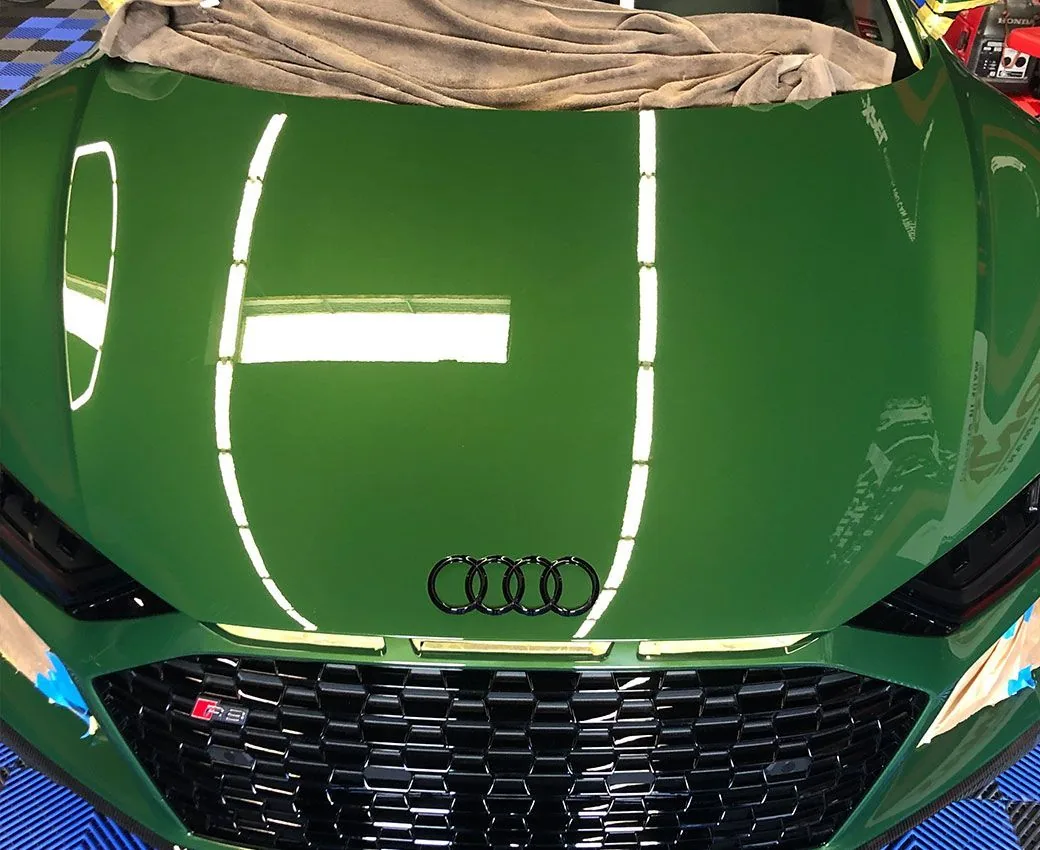
Key takeaways.
- The removal process requires the use of appropriate tools such as a heat gun, microfiber cloth, and low-VOC cleaner.
- The process consists of five steps: washing, heating, peeling, adhesive removal, and final cleaning.
- If done correctly, PPF removal is safe for OEM paint and maintains a long-lasting shine.
- If the film becomes yellowed, cracked, dull, or scratched, it will need to be replaced.
- Professional removal ensures better results, reduces risk, and increases resale value.
Removing paint protection film (PPF) is part of vehicle protection after the film has worn off over time. Xtreme Xcellence Detailing provides step-by-step instructions on how to remove PPF, allowing you to fully understand the service process. Proper removal helps prevent damage, wear, or blemishes, and maintains shine and luster.
Tools & Materials Required For PPF Removal
The PPF removal procedure requires the use of appropriate materials and instruments to ensure safe and effective results.
- Steemer or Heat Gun: PPF removal requires adhesive softening and controlled heat utilization. To prevent scorching or surface dulling, the temperature should be maintained between 48–68°C (120–160°F).
- Microfiber Towels: Soft and effective cloth used to wipe off remainders during exterior washing and maintain the finish clean.
- Glue Eliminator (Citrus or low VOC odor): Apply a glue eliminator to break up any adhesive left behind once you’ve torn off the surface film.
- Plastic Scraper: For raising stubborn patches of film while preventing clear scratching.
- Protective Equipment (PPE): PPE, such as gloves and eye protection (goggles), should cover techs from VOC exposure during PPF removal.
Pro tips: Experts recommend testing the heat gun and glue remover on an inconspicuous area before doing the entire film to ensure paint safety.
Step-By-Step Guide: How To Remove PPF Without Damaging Paint
Safe PPF removal is part of our vehicle protection and surface treatment solutions, minimizing paintwork repairs. To answer questions about how to remove PPF, we offer a standard procedure that will not scratch, chip, or fade. These steps are also suitable for DIY care, although professional assistance may be better for older films or non-OEM paintwork.
Step 1: Wash & Prepare Surface
Start by thoroughly preparing the surface to remove dirt and contaminants. Experts use clay, surface testing, and masking of decorative details and logos to achieve a smooth base.
Step 2: Heat Treatment Properly
Apply even heat to the adhesive and surface layer using a heat gun, dryer, or steamer. Keep the temperature within a safe range to easily remove the PPF without dulling or damaging the surface.
Step 3: Start Peeling Film
Experts begin removing the PPF by lifting the corner of the protective film and peeling it off slowly at a 20–45° angle. Be sure to maintain even tension to protect the scratch protection and paint. If the surface film begins to tear, adjust the angle and continue carefully.
Pro Tip: Work off small PPF sections as opposed to trying big sheets at a time to less tearing and easier clean-up.
Step 4: Remove Adhesive Residue
After removing the PPF, the professionals need to treat the remaining adhesive with a safe cleaner or low VOC solvent. Finish this step by wiping the surface clean to restore the appearance.
Step 5: Clean & Inspect The Vehicle
Complete the PPF removal process by lightly polishing and inspecting the surface. You can enhance the surface protection with a conventional wax, basic sealant, or a new ceramic coating.
When To Replace PPF?
Paint protection films wear out over time, and knowing when to replace them will ensure protection and performance. Look out for the following signs of aging or damage.
- Yellowing: Prolonged exposure to sunlight causes PPF to lose its anti-yellowing layer. When you notice that the PPF starts to turn yellow, replace the protective coating to restore the clear and shiny paint.
- Cracking Or Peeling Edges: A sign that the paint and adhesive layer has weakened is when cracks or peeling edges appear.
- Surface Dullness Or Stains: Loss of the hydrophobic layer or UV resistance leads to fading of the car’s surface. Therefore, detecting and replacing old PPF helps protect the car so it always has a new paint job.
- Wear And Scratches: PPF will scratch and wear over time, especially on cars that are frequently used. Therefore, it is necessary to regularly check to replace the new PPF layer soon to avoid scratches on the car’s paint.
Worried about replacement costs? Learn more in our detailed breakdown of *paint protection film costs*updated in 2025.
Does PPF Removal Damage Car Paint?
No! PPF removal is generally safe on OEM paint if done correctly and carefully. Our experts at Xtreme Xcellence Detailing ensure that PPF removal is done correctly to maintain the gloss and shine while minimizing paint repairs.
For DIYers who want to remove themselves, there is a higher risk due to the lack of necessary tools and skills. Therefore, to ensure the best results, choose reputable professionals to remove PPF.
Book Your Paint Protection Film Near Me Today!
Choose a professional, expert service to safely remove and reapply paint protection film or clear coat. Book your PPF service from Xtreme Xcellence Detailing today to enhance your car’s appearance, increase resale value, and reduce maintenance costs.
Xtreme Xcellence Detailing provides professional ceramic coating, paint correction, PPF, interior detailing, exterior detailing, RV detailing, and classic car detailing services in Laguna Hills, CA. Our IDA-Certified, XPEL Certified, and XPEL-trained team uses professional-grade products from XPEL and Sonax and has over 20 years of combined detailing experience. Rated 5 stars on Google with 222+ reviews.
Ready for the professional treatment?
Bring the car. Same-week appointments in Laguna Hills with the team behind every word on this page.
Book a QuoteWant more like this?
One article a month, written by the people who do the work. No filler, no upsell.
Join the Garage Letter